Running a successful food service establishment in Sydney is a monumental feat. You are juggling inventory, staff management, demanding customers, and, critically, the constant, invisible threat of foodborne pathogens. Compliance is not just a suggestion; it is the bedrock of your business's reputation and, more importantly, the rangehood cleaning CBD health of your patrons. When it comes to maintaining the cleanliness of your kitchen—from deep fryers to prep tables—the difference between routine wiping and professional, certified deep cleaning is the difference between peace of mind and potential regulatory disaster. This comprehensive guide will demystify the process of professional food equipment sanitation, ensuring you understand exactly what you need to keep your Sydney kitchen shining (and legally compliant).
The Non-Negotiable Need for Professional Sanitation
Why settle for a mop and bucket when your livelihood depends on impeccable hygiene? Many business owners assume that a thorough daily clean is enough. While daily cleaning is essential for maintenance, it is merely triage. True sanitation requires specialized knowledge, industrial-grade equipment, and certified procedures designed to neutralize bacteria that standard cleaning cannot reach. Think of it this way: regular cleaning is like brushing your teeth; professional sanitation is like a professional dental deep clean, reaching plaque and tartar that your toothbrush simply cannot touch.
Navigating Sydney's Food Safety Landscape
The regulatory landscape in Sydney is stringent, and for good reason. Local councils and NSW Health authorities mandate strict adherence to food safety standards. Failure to meet these standards can result in costly fines, immediate closure, and, worst of all, irreparable damage to your brand's trust. Knowing the rules is one thing; proving compliance to an inspector is another entirely.
- Understanding HACCP: Hazard Analysis Critical Control Points (HACCP) is the global gold standard for food safety management. Proper cleaning is a critical control point within this system. Local Requirements: Service providers must be intimately familiar with the specific regulations governing commercial kitchens in NSW, ensuring that the cleaning methods used are not only effective but also legally permissible.
The Hidden Dangers of Cross-Contamination
The most insidious threats in any commercial kitchen are cross-contamination and bacterial buildup. Cross-contamination occurs when pathogens—such as Salmonella or E. coli—transfer from one surface, food item, or piece of equipment to another. This often happens in microscopic areas: under gaskets, within drainage traps, or on the internal coils of refrigerated units.
Are you confident that a simple washcloth can eradicate biofilm—that slimy, invisible film of bacteria that builds up over time? Probably not. Only specialized chemical treatments and expert mechanical cleaning can truly break down these persistent organic residues, making proper certified cleaning for food service equipment Sydney a matter of risk mitigation, not luxury.
Decoding the Certified Cleaning Process
The term "certified" is crucial. It implies that the service provider is not just strong in cleaning chemicals, but strong in knowledge—knowledge that relates to food science, industrial chemistry, and local regulations. A certified service treats your kitchen like a laboratory, not just a dirty backroom.
Beyond Surface Wiping: Deep Dive into Equipment
True deep cleaning goes far beyond visible grime. It involves systematic disassembly and specialized treatment of every component. This is where the complexity of food service equipment comes into play. Different materials (stainless steel, rubber seals, plastic casings) require different chemicals and different levels of scrubbing.
The process typically involves:
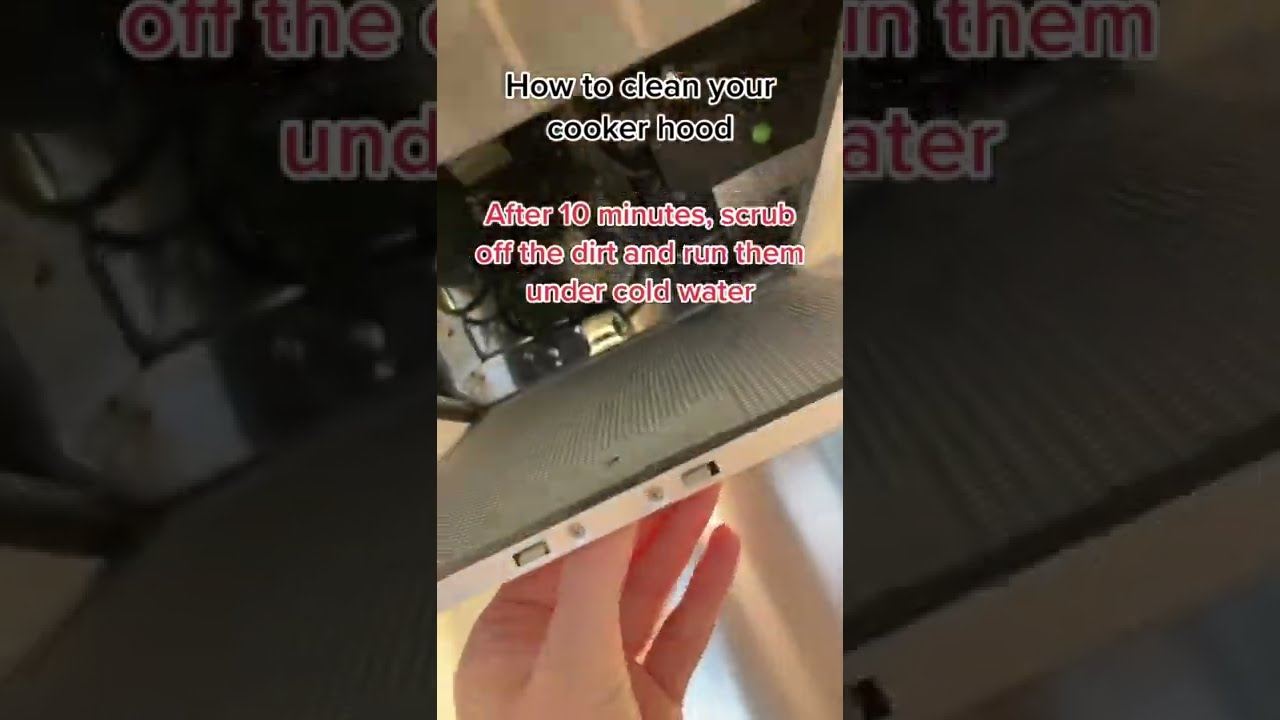
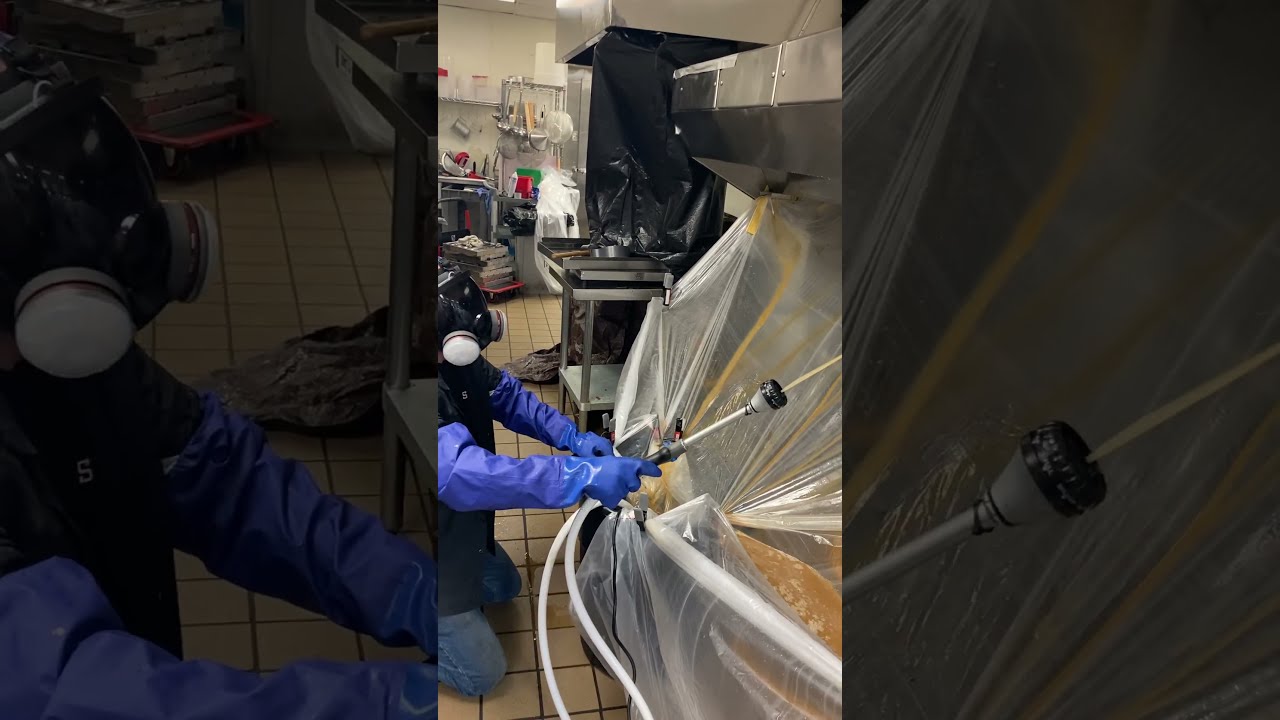
- High-Pressure Washing: Using controlled pressure to blast away trapped debris from crevices. Chemical Neutralization: Applying specific, food-grade sanitizers that kill pathogens without damaging the underlying equipment. Manual Detailing: Experts physically removing and cleaning hard-to-reach items like vent hoods, grease traps, and ventilation filters.
The Value of Expertise and Certification
When you hire a professional, you are buying more than just elbow grease; you are buying certified expertise. A reputable provider must demonstrate:
- Training: Their staff must be trained in commercial sanitation protocols. Chemical Safety: They must handle and apply industrial chemicals safely, minimizing risks to staff and food. Compliance Documentation: They must provide verifiable documentation that proves the cleaning was done to the required standard, which is essential for your own records during an inspection.
I once worked with a restaurant that thought they were clean because they just scrubbed everything visible. When the professional sanitation team came in, they found biofilm buildup in the drainage system that had been contributing to recurring minor health warnings. It was a stark reminder that sometimes, the biggest dangers are the ones you cannot see.
Selecting Your Sanitation Partner
Choosing the right partner for certified cleaning for food service equipment Sydney requires diligence. This service is too vital to leave to chance. You need a partner whose commitment to hygiene is as strong as their cleaning power.
Key Questions to Ask Potential Providers
Before signing any contract, approach the vetting process like an investigator. Do not assume expertise—verify it.
- Do they hold current NSW food safety accreditations? Can they provide a detailed, step-by-step plan of what the deep clean entails for my specific equipment list? What specific, food-grade chemicals do they use, and are they safe for both my staff and my patrons?
"The best defense against operational risk is thorough preparation," states one expert in food safety management.
HygieneXperts - Commercial & Residential Cleaning Services
12C Tungarra Rd Girraween NSW 2145 Australia,
61498203983
HygieneXperts - Commercial & Residential Cleaning Services
12C Tungarra Rd Girraween NSW 2145 Australia,
61498203983